

What Are Hospital Curtain Runners?
Hospital curtain runners, also known as curtain carriers, glides, sliders, or rollers, are critical components in medical privacy curtain systems. These small but essential hardware pieces carry the curtain fabric smoothly along the track, providing patients with necessary privacy and dignity during medical procedures and recovery.
Curtain runners attach to the curtain via hooks, snap-on mechanisms, or direct sewing methods, and travel along the track path with minimal resistance. In modern healthcare environments, these seemingly simple components play multiple crucial roles: protecting patient privacy, controlling infection transmission, optimizing space utilization, and contributing to a quiet, healing environment.
Types of Hospital Curtain Runners
1. Wheeled Carriers (Roller-Type Runners)
Structural Features:
- Equipped with dual-wheel designs that navigate corners without jamming
- Wheels mounted on axles, with premium models featuring ball bearings
- Suitable for use inside tracks or on the exterior of I-beam tracks
Key Advantages:
- Smoothest movement with minimal friction
- Ideal for heavy curtains and high-frequency usage scenarios
- Nearly silent operation that doesn’t disturb patient rest
- Superior durability in demanding healthcare settings
Best Applications: Patient rooms, operating theaters, intensive care units, and any area requiring frequent curtain movement

2. Friction Carriers (Sliding-Type Runners)
Structural Characteristics:
- Single-piece injection-molded construction, typically made from nylon or other durable plastics
- Fixed by inserting into tracks or slipping onto I-beam tracks
- Move via sliding action rather than rolling mechanisms
Key Advantages:
- Exceptional durability, especially in humid environments
- More economical pricing point
- Lower maintenance costs
- Resistant to corrosion and degradation
Ideal Applications: Smaller curtains, limited-movement applications such as examination room dividers, outpatient clinics, and areas with lighter curtain fabrics
3. Master Carriers (Leading Edge Carriers)
Special Functions: Installed at the curtain’s leading edge, master carriers work in pairs to allow two curtain panels to overlap, eliminating center gaps and enhancing both light-blocking and privacy protection capabilities.
Design Features:
- Larger body with greater load-bearing capacity
- Provides robust attachment points for pull rods or wands
- Ensures curtains remain parallel to the track during movement
- Enhanced stability for managing curtain weight distribution
Application Benefits: Significantly improves curtain coverage and privacy effectiveness, particularly suitable for scenarios requiring complete isolation such as dialysis centers, recovery rooms, and multi-bed wards.

Material Selection for Hospital Curtain Runners
Stainless Steel Runners
Manufactured from premium-grade stainless steel, these runners offer exceptional corrosion resistance and wear tolerance, perfectly suited for the demanding, high-frequency usage in hospitals and clinics.
Core Advantages:
- Outstanding corrosion resistance performance
- Excellent for humid environments like bathroom shower areas
- Easy to clean and disinfect with hospital-grade solutions
- Extended lifespan of 5-10 years under normal usage
- Maintains smooth operation even in sterile environments
- Compatible with autoclave sterilization when required
Recommended Scenarios:
- Operating rooms and surgical suites
- Intensive care units (ICU)
- Dialysis centers
- Shower and bathing facilities
- Isolation rooms
- Any high-moisture medical environment
Aluminum Alloy Runners
Aluminum alloy runners are chosen for their corrosion resistance, ease of maintenance, and durability while offering cost-effective solutions for healthcare facilities.
Performance Characteristics:
- Lightweight design reduces track load and structural stress
- Good corrosion resistance for long-term reliability
- High cost-effectiveness ratio
- Surface can be anodized or powder-coated for enhanced protection
- Suitable for most standard healthcare applications
- Lower installation costs due to reduced weight
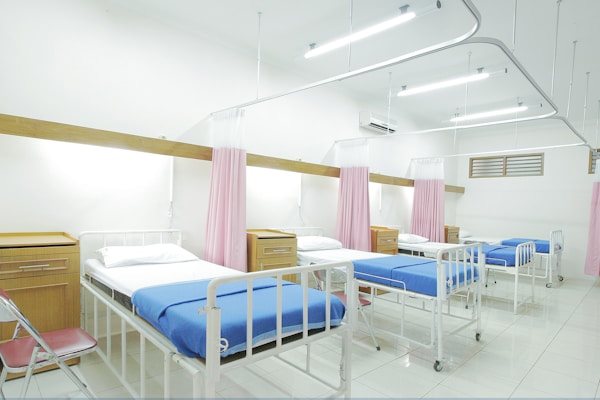
Suitable Applications: General patient wards, outpatient examination rooms, rehabilitation centers, physical therapy areas, and other routine medical zones where extreme conditions are not present.
High-Strength Plastic Runners
Material Advantages:
- Most economical option for budget-conscious facilities
- Ultra-lightweight for easy installation and handling
- Excellent rust-proof properties
- Available in multiple colors for aesthetic coordination
- Low-friction surfaces for smooth operation
- Suitable for temporary or semi-permanent installations
Usage Limitations: Relatively lower load-bearing capacity compared to metal options, best suited for lightweight curtains, temporary partitions, and low-traffic areas where cost is a primary consideration.
Key Performance Indicators for Hospital Curtain Runners
1. Load-Bearing Capacity
Performance Requirements:
- Standard runners: Support 5-10 kg (11-22 lbs)
- Heavy-duty runners: Support 15-25 kg (33-55 lbs)
- Professional-grade runners: Support 30+ kg (66+ lbs)
Selection Recommendations: Choose appropriate load ratings based on curtain material, fabric weight, and dimensions to ensure system stability and longevity. Consider peak loads during cleaning or emergency situations.
2. Operational Noise Levels
The galvanized rotating structure and curtain hooks ensure curtain movement is effortless and quiet, a critical factor in healthcare environments where rest and recovery are paramount.
Noise Standards:
- Premium products: Below 43 decibels (equivalent to a quiet room with split AC)
- Standard products: 45-50 decibels
- Economy products: 50+ decibels
Clinical Importance: Hospital environments demand quiet operation to support patient rest, reduce stress, and maintain a healing atmosphere. Excessive noise from curtain systems can disrupt sleep cycles and impede recovery.

3. Service Life and Durability
Endurance Testing:
- High-end products: Withstand 10,000+ open-close cycles
- Maintain smooth operation under 5 kg load conditions
- Service life ranges from 3-7 years depending on usage intensity
Influencing Factors:
- Material quality and manufacturing precision
- Bearing type (ball bearings vs. plain bearings)
- Frequency and intensity of use
- Environmental conditions (humidity, temperature)
- Maintenance and preventive care protocols
Installation and Configuration of Hospital Curtain Runner Systems
Installation Methods
Ceiling-Mounted Systems
- Most common and versatile configuration choice
- Mounted directly to ceiling structure for clean appearance
- Doesn’t interfere with other equipment or patient care areas
- Maximizes floor space and mobility
- Ideal for patient rooms, surgical areas, ICU settings
Wall-Mounted Systems
- Used in areas where ceiling mounting is impractical or undesired
- Suitable for renovation projects and specialized spaces
- Lower installation costs in certain building types
- May be required due to ceiling material or structural limitations
Suspension Track Systems
- Utilizes suspension rods to drop from high ceilings
- Can avoid obstacles like light fixtures, HVAC vents, and sprinkler systems
- High flexibility and adaptability
- Adjustable height to accommodate different ceiling configurations

Supporting Components
Essential Accessories:
- Carriers/Runners – Primary moving components
- End Caps – Prevent runners from sliding off track ends
- Connectors/Couplings – Join multiple track sections seamlessly
- Hooks – Connect curtain fabric to runners
- Suspension Brackets – Secure track system to ceiling or wall structure
- Track Sections – Main rail components in standard lengths
Optional Accessories:
- Swivel clamp mounting brackets (no direct drilling into ceiling metal beams required)
- Stainless steel chain weights (ideal for humid environments)
- Bead chain weights (alternative to mesh headers)
- PVC weights (designed for fire sprinkler locations)
- Hand wands or pull sticks for curtain operation
- Replacement wheel assemblies for maintenance
Maintenance and Care for Hospital Curtain Runners
Routine Maintenance Procedures
Cleaning Steps:
- Regularly inspect runner movement for smooth operation
- Monthly removal of accumulated dust and debris from track channels
- Check hook integrity and security
- Observe for signs of rust, corrosion, or physical damage
- Document maintenance activities for facility records
Lubrication Protocols:
- Tracks with Teflon coating generally require no additional lubrication
- If operation becomes stiff, apply silicone-based lubricants sparingly
- Avoid oil-based lubricants that attract dust and debris
- Use hospital-approved, non-toxic lubricants only
- Apply lubricants only after thorough cleaning

Troubleshooting Common Issues
Problem-Solution Matrix:
ProblemLikely CauseSolutionSluggish slidingForeign objects in track or insufficient lubricationClean track thoroughly; apply appropriate lubricantIncreased noiseWorn runners or rusted bearingsReplace damaged runners; inspect for corrosionCurtain detachmentLoose or broken hooksInspect and replace defective hooks immediatelyTrack deformationExcessive load or improper installationVerify load capacity; reinforce support as neededUneven movementMisaligned track sectionsCheck alignment; adjust connectors and bracketsBinding at curvesDamaged wheels or track obstructionInspect corner sections; replace affected components
Replacement Schedule Recommendations
Suggested Replacement Intervals:
- Runners: 3-5 years (frequency-dependent)
- Hooks: 2-3 years or immediately upon damage detection
- Track system: 7-10 years or when significant deformation occurs
- Curtain fabric: 6-12 months (per infection control requirements)
- Bearings (if serviceable): 4-6 years under normal conditions
Preventive Replacement Benefits:
- Reduces emergency maintenance situations
- Maintains infection control standards
- Ensures patient safety and privacy
- Minimizes operational disruptions
- Controls long-term facility costs
Infection Control Role of Hospital Curtain Runners
Antimicrobial Design Features
| Problem | Likely Cause | Solution |
|---|---|---|
| Sluggish sliding | Foreign objects in track or insufficient lubrication | Clean track thoroughly; apply appropriate lubricant |
| Increased noise | Worn runners or rusted bearings | Replace damaged runners; inspect for corrosion |
| Curtain detachment | Loose or broken hooks | Inspect and replace defective hooks immediately |
| Track deformation | Excessive load or improper installation | Verify load capacity; reinforce support as needed |
| Uneven movement | Misaligned track sections | Check alignment; adjust connectors and brackets |
| Binding at curves | Damaged wheels or track obstruction | Inspect corner sections; replace affected components |
Some manufacturers incorporate antimicrobial coatings into runner materials to prevent bacterial growth and infection transmission, ensuring compliance with stringent safety and hygiene standards required in healthcare settings.
Antimicrobial Properties:
- Inhibits bacterial survival on contact surfaces
- Reduces cross-contamination risks between patients
- Enhanced effectiveness when paired with antimicrobial curtains
- Active protection against common healthcare-associated pathogens
- Maintains effectiveness through multiple cleaning cycles

Easy-Clean Design Principles
Design Considerations:
- Smooth surfaces that resist dust accumulation
- Detachable design for deep cleaning access
- Withstands high-temperature disinfection (up to 100°C/212°F)
- Resistant to chemical cleaning agents and hospital disinfectants
- No crevices or joints where biofilm can develop
- Quick-release mechanisms for efficient curtain changes
Track systems are designed for easy disassembly, making regular cleaning more convenient and maintaining hygienic spaces that meet or exceed healthcare facility standards.
Purchasing Guide for Hospital Curtain Runners
Key Consideration Factors
1. Usage Environment Assessment
- General wards: Standard aluminum alloy runners
- Operating rooms/ICU: Stainless steel premium runners
- Humid environments: Rust-proof materials mandatory
- Pediatric wards: Safety-first design priorities
- Emergency departments: Heavy-duty, high-frequency rated
- Long-term care: Balance between durability and cost
2. Curtain Weight Specifications
- Lightweight curtains (3-5 kg/7-11 lbs): Standard friction-type carriers
- Medium curtains (5-10 kg/11-22 lbs): Regular wheeled runners
- Heavy curtains (10+ kg/22+ lbs): Heavy-duty or dual-wheel designs
3. Usage Frequency Analysis
- Low-frequency use: Economy plastic carriers
- Moderate frequency: Aluminum alloy runners
- High-frequency use: Stainless steel heavy-duty runners
- 24/7 operations: Premium ball-bearing systems
4. Budget Planning
- Economy tier: $8-20 per meter
- Standard tier: $25-50 per meter
- Premium tier: $60-130 per meter
- Consider total cost of ownership including maintenance and replacement cycles

Quality Assessment Criteria
Inspection Checklist:
- Material quality: Smooth surface, no burrs or sharp edges
- Runner rotation: Smooth operation without binding or noise
- Load capacity testing: Meets stated weight specifications
- Hook strength: Passes pull-force testing standards
- Coating quality: Verified corrosion and antimicrobial properties
Certification Standards:
- ISO 9001 Quality Management System compliance
- Medical device manufacturing licenses (where applicable)
- Fire resistance ratings (typically B1 or better)
- Environmental certifications (low VOC emissions)
- BIFMA or equivalent performance standards
- LEED contribution for sustainable facilities
Future Trends in Hospital Curtain Runner Technology
Smart Integration Systems
Emerging Developments:
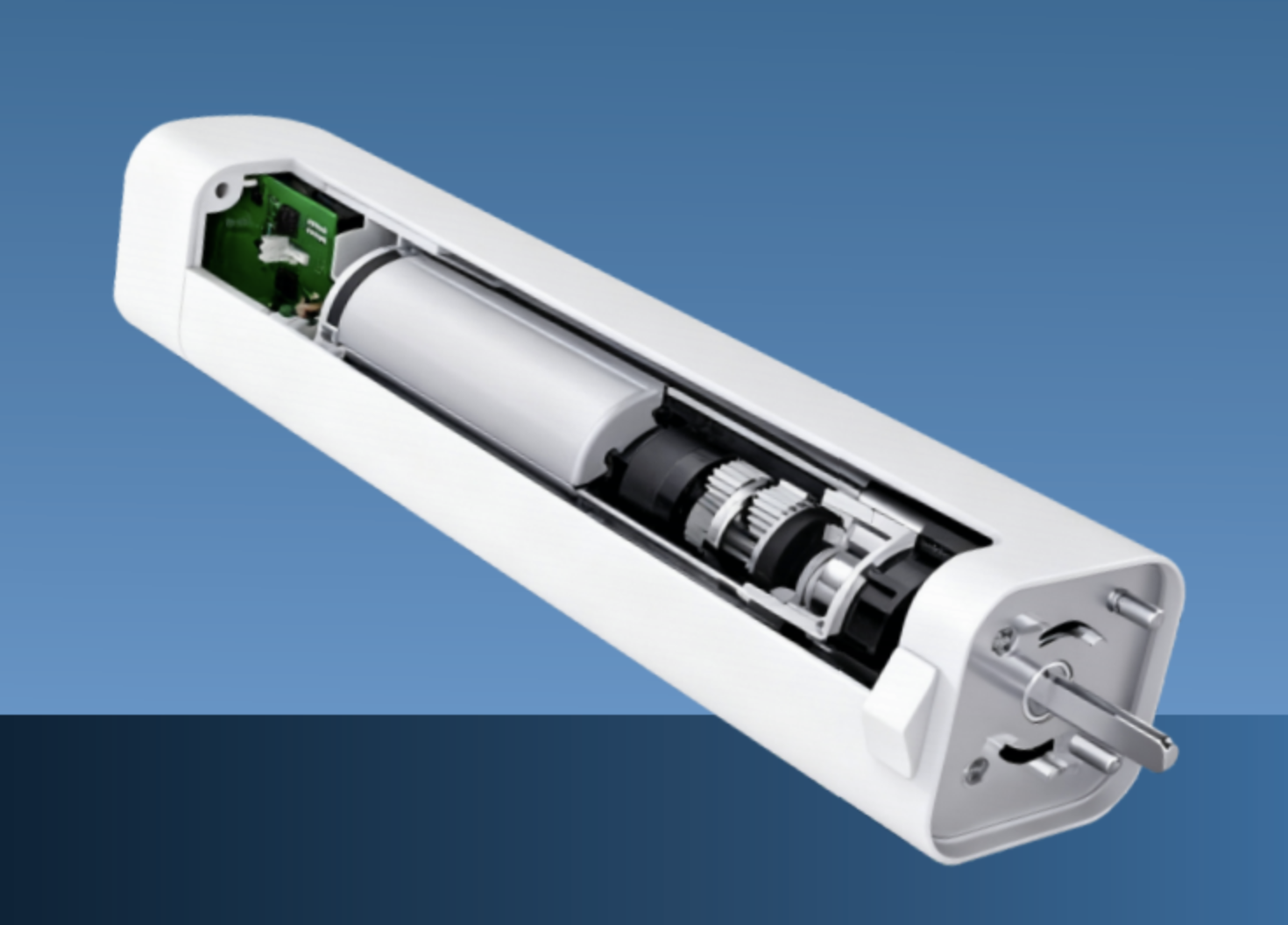
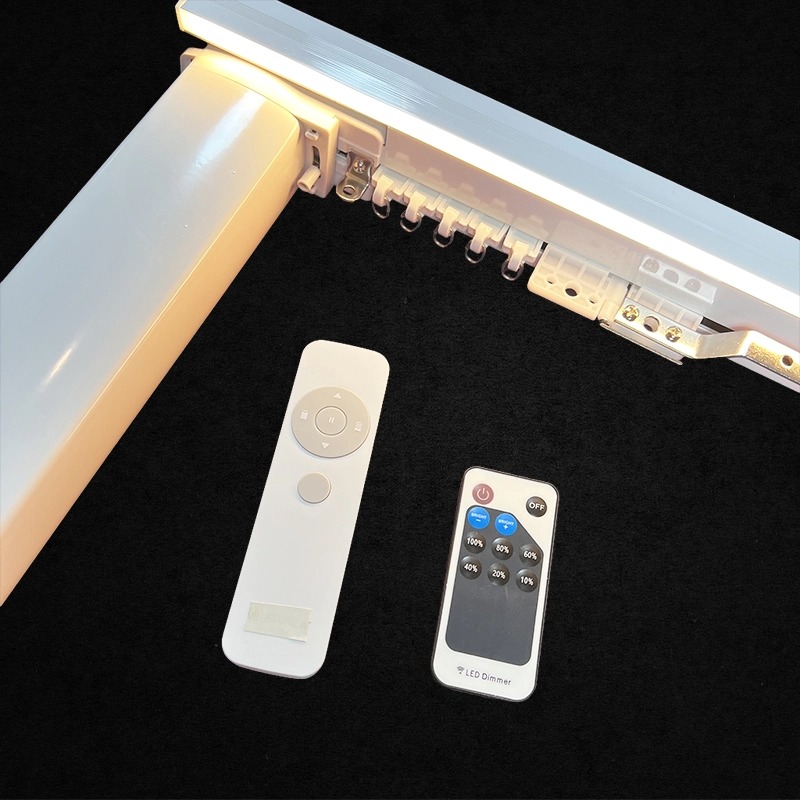
- Motorized track systems with quiet operation
- Remote control and automation capabilities
- Smart sensor-triggered opening/closing
- Integration with hospital management systems (HMS)
- Voice-activated controls for hands-free operation
- Mobile app connectivity for facility management
Application Prospects: Enhances nursing efficiency, reduces contact-based infection risks, adapts to smart hospital construction requirements, improves patient independence, and supports touchless healthcare environments.

Environmental Sustainability
Green Development Initiatives:
- Use of recycled materials (30%+ post-consumer content)
- Low-carbon manufacturing processes
- Extended service life design philosophy
- Closed-loop recycling systems
- Reduced packaging waste
- Cradle-to-cradle product lifecycle planning
Products using 30%+ recycled content can contribute to LEED certification points for healthcare facilities, supporting sustainability goals while maintaining performance standards.
Modular Design Innovation
Innovation Characteristics:
- Rapid-replacement system architecture
- Standardized interface protocols
- Flexible configuration options
- Reduced maintenance downtime
- Simplified inventory management
- Universal compatibility across product lines
Strategic Advantages: Minimizes operational disruptions, improves facility efficiency, adapts to evolving healthcare needs, lowers total cost of ownership, and supports agile facility management practices.
Interested in upgrading your facility’s privacy curtain system?
Explore our comprehensive range of hospital curtain runners and track components
designed for modern healthcare environments.
 Arabic
  English
  Russian
  French
  Esperanto