
Whether you’re furnishing a new home or refreshing existing window treatments, selecting the appropriate curtain track system impacts both aesthetics and functionality. This comprehensive resource demystifies track selection, walks you through professional installation techniques, and provides realistic cost expectations to help you make confident decisions.
Understanding Curtain Track Fundamentals
Exposed Mounting Systems (Decorative Rods)
Traditional decorative rods feature cylindrical bars capped with ornamental finials resembling classical architectural elements. These visible mounting systems attach directly to wall surfaces or beneath ceiling structures using bracket hardware. The exposed design offers quick installation and budget-friendly pricing, making them ideal for spaces without integrated ceiling treatments.
Advantages:
- Rapid installation process
- Cost-effective solution
- Wide variety of decorative styles
- Perfect for showcasing design themes
- No ceiling modification required
Limitations:
- Reduced gliding smoothness with heavy fabrics
- Limited weight capacity
- Potential bending on wide spans
- Ring friction reduces ease of operation
- Visual bulk in smaller spaces
Concealed Track Systems (Built-In Integration)
Concealed configurations integrate rail mechanisms within ceiling structures or decorative valance boxes. This approach requires coordination during construction or renovation phases but delivers clean sightlines that complement contemporary and minimalist design philosophies. The hidden hardware creates seamless visual flow across architectural elements.
Advantages:
- Streamlined aesthetic appeal
- Minimizes light gaps effectively
- Superior weight distribution
- Architectural integration
- Enhanced privacy protection
Limitations:
- Higher installation complexity
- Increased material costs
- Requires structural planning
- Maintenance access challenges
- Not suitable for existing spaces without renovation
Design Consideration: Decorative rod systems excel in traditional, cottage, or eclectic interiors where the hardware becomes a design feature. Concealed tracks suit modern, Scandinavian, or Japanese-inspired spaces prioritizing clean lines and uncluttered surfaces.
Track Profile Configurations Explained
U-Channel Profile
Configuration: Taller vertical profile design
Best For: Concealed ceiling installations
Capacity: High-volume carrier capacity with quiet operation
Weight Rating: Excellent load-bearing for heavyweight fabrics
I-Beam Profile
Configuration: Flat, streamlined appearance
Best For: Exposed minimalist applications
Capacity: Moderate carrier volume
Weight Rating: Suited for small to medium window spans
Flexible Curve Systems
Configuration: Bendable track material
Best For: Bay windows, curved walls, angled corners
Capacity: Customizable to window geometry
Weight Rating: Varies by material specification
When selecting between these profile types, consider consulting with professional suppliers who can recommend the optimal configuration for your specific window requirements. Quality curtain track systems from experienced manufacturers ensure smooth operation and long-lasting performance.
Mounting Method Comparison
Ceiling-Mount Installation
Direct ceiling attachment creates floor-to-ceiling fabric flow, maximizing perceived room height. This method works particularly well in spaces with generous ceiling clearance or where wall mounting proves impractical.
Wall-Mount Installation
Standard wall bracketing positions tracks above window frames, providing flexibility when ceiling mounting creates complications. This traditional approach accommodates most residential applications effectively.
Suspended Track Systems
Drop-rod suspension hangs tracks below ceiling surfaces, ideal for industrial aesthetics or spaces featuring exposed structural elements. This method offers adjustable height positioning for specialized requirements.
Special Window Geometry: Non-rectangular windows (arched, hexagonal, octagonal) require careful planning. While decorative rods necessitate segmented installation and cannot accommodate curved profiles, flexible track systems bend to match complex architectural curves, enabling seamless single-piece installations.
Automated Track Technology
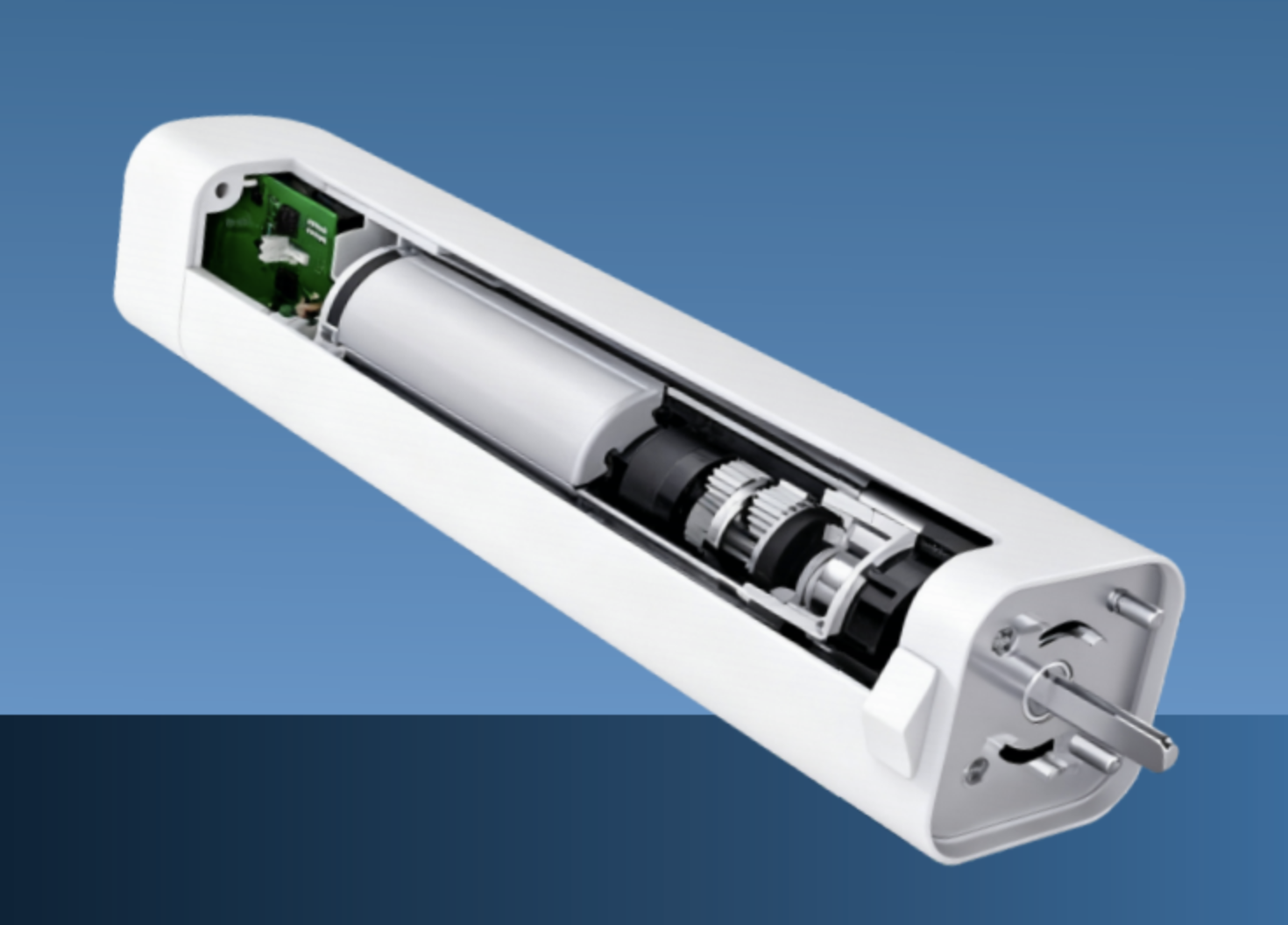
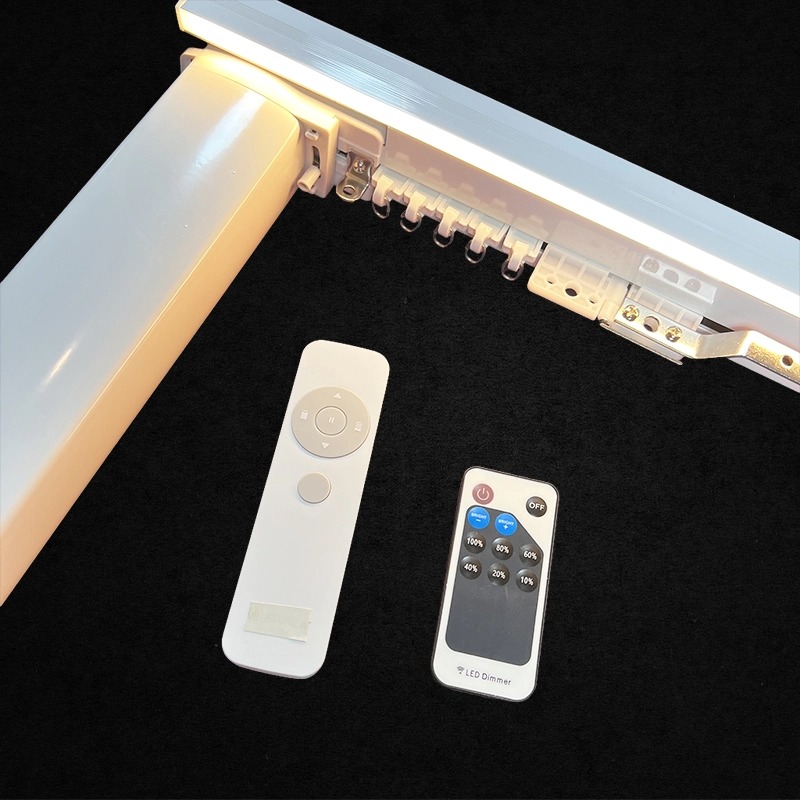
Motorized track systems transform window treatment operation through remote control, smartphone applications, or voice commands. These premium solutions integrate with smart home ecosystems, enabling scheduled opening/closing routines and eliminating physical exertion.
Ideal Applications for Automation
- Expansive window walls requiring significant force to operate manually
- High-mounted treatments beyond comfortable reach
- Accessibility accommodations for mobility considerations
- Luxury installations prioritizing convenience
- Security automation for unoccupied homes
Pre-Installation Requirements: Motorized systems require electrical outlets positioned near track endpoints. Verify manufacturer reputation and after-sale support availability before purchase. Quality motors operate quietly and provide reliable long-term performance.
Professional Installation Methodology
Step 1: Precise Measurement
Carefully measure window frame width and wall-to-ceiling height. Record dimensions with millimeter accuracy. Account for architectural obstructions like moldings or electrical fixtures.
Step 2: Mark Drilling Points
Use a laser level to mark perfectly horizontal drilling locations. Ensure symmetrical spacing for balanced load distribution. Double-check alignment before proceeding.
Step 3: Secure Anchor Installation
Drill pilot holes matching anchor specifications. Select appropriate wall anchors based on wall composition (drywall, concrete, masonry). Insert expansion anchors firmly into prepared holes.
Step 4: Mount Track Hardware
Attach track sections to installed anchors, tightening fasteners incrementally to maintain alignment. Verify level throughout installation process using precision instruments.
Step 5: Operational Testing
Install carriers and test gliding action across entire track length. Verify smooth operation without binding or resistance. Adjust as necessary for optimal performance.
Optimal Spacing Guidelines
- Height: 10-15cm above window frame (or ceiling-mounted for enhanced space perception)
- Width: Extend 10-15cm beyond each side for complete coverage
- Depth: 12-18cm for double-track configurations to prevent fabric interference
Common Installation Mistakes to Avoid
- Skipping preliminary measurements: Results in incorrect track lengths requiring returns
- Uneven drilling: Creates tilted tracks causing operational difficulties
- Insufficient side extensions: Reduces light-blocking effectiveness
- Wrong anchor selection: Risks track failure under fabric weight
- Ignoring depth requirements: Causes double-track fabric interference
Safety Recommendation: Professional installation minimizes safety hazards and operational issues. Licensed installers possess appropriate tools, experience with structural variations, and liability coverage protecting your investment.
Cost Analysis & Budgeting Guide
Material Price Factors
| Material Type | Price Range (USD) | Characteristics |
|---|---|---|
| Aluminum Alloy | $25 – $75 per track | Durable, lightweight, corrosion-resistant, moderate pricing |
| PVC/Plastic | $15 – $40 per track | Budget-friendly, adequate for light fabrics, shorter lifespan |
| Steel/Heavy-Duty | $50 – $120 per track | Maximum weight capacity, commercial-grade, long-term investment |
| Motorized Systems | $300 – $600+ complete kit | Premium technology, includes motor/controls, installation complexity |
Installation Labor Costs
- Single Track (Exposed): $60-$110 installed – straightforward wall mounting
- Double Track (Exposed): $110-$180 installed – requires precise alignment
- Concealed Installation: Add 15-35% – demands carpentry integration
- Motorized Installation: $150-$300 labor – electrical work, programming, calibration
Quote Verification Checklist
When requesting installation quotes, ensure clarity on these components:
- On-site measurement service inclusion
- Brand specifications and warranty coverage
- Transportation and delivery fees
- Ceiling modification requirements (if applicable)
- Hardware component itemization
- Labor hourly rates vs fixed pricing
- Additional charges for complex installations
Budget Optimization Strategy: Request multiple competitive quotes with identical specifications. Prioritize companies offering comprehensive warranties and established local reputations. Avoid unusually low quotes that may indicate substandard materials or hidden costs.
Final Selection Considerations
Matching Tracks to Design Vision
Your architectural style should guide track selection. Traditional interiors benefit from decorative rod systems showcasing ornamental details. Contemporary spaces achieve cleaner aesthetics through concealed track configurations that disappear behind drapery.
Functional Requirements Assessment
- Window size: Large expanses need robust weight capacity
- Fabric weight: Match track rating to material specifications
- Usage frequency: High-traffic areas justify premium gliding mechanisms
- Layering needs: Double tracks accommodate sheer/blackout combinations
- Automation preference: Consider convenience vs budget implications
Long-Term Maintenance Expectations
Quality track systems deliver decades of reliable service with minimal maintenance. Regular dusting prevents carrier buildup, while occasional lubrication maintains smooth operation. Choose systems with replaceable components for economical long-term ownership.
For those seeking professional-grade solutions, explore our comprehensive range of curtain tracks and rail systems designed for both residential and commercial applications.
Quality vs Economy: Premium materials justify higher initial investment through superior performance and longevity. Budget options work adequately for temporary housing or light-duty applications but may require earlier replacement in permanent installations.
Заключение
Selecting appropriate curtain track systems involves balancing aesthetic preferences, functional requirements, and budget realities. This guide has equipped you with comprehensive knowledge spanning track types, installation methodologies, and realistic cost expectations.
Remember that proper installation profoundly impacts long-term satisfaction. Whether choosing exposed decorative rods for visual impact or concealed tracks for minimalist elegance, professional installation ensures optimal performance and safety.
Take time to measure accurately, research material options thoroughly, and obtain multiple professional quotes before committing. Your window treatments represent a significant investment in home comfort and aesthetic appeal.
 Russian
  English
  Arabic
  French
  Esperanto