
Smart curtain motors are increasingly popular for modern homes, offering convenience and a premium living experience. But choosing the right motor involves more than looking at appearance — the track load capacity, noise level, and power / battery life play the biggest roles in long-term performance.
This guide breaks down everything you need to know before buying a motorized curtain system.
1. Track Load Capacity — the Most Important Buying Factor
The load capacity of the curtain track determines whether the motor can smoothly pull your curtains every day without wearing out prematurely.
How to evaluate:
- Measure the total weight of your curtains (fabric, hooks, runners).
- Add 10–20% margin so your motor does not run at full load all the time.
- Match curtain weight to recommended motor wattage:
| Curtain Type | Weight | Suggested Motor Power |
|---|---|---|
| Sheer / lightweight curtains | ≤ 8 kg | ~15 W |
| Blackout / medium curtains | 8–15 kg | 20–30 W |
| Heavy drapes / oversized curtains | ≥ 15 kg | 35 W or above |
Track material matters
For medium to heavy curtains, aluminum alloy tracks are much more durable and maintain shape over time.
If you’re comparing different track options, you can browse more curtain tracks and rails here:
curtain-tracks/rail.
2. Noise Level — Crucial for Bedrooms & Quiet Spaces
Motor noise is one of the biggest comfort factors, yet often ignored.
Motor types:
- Brushed motors: typically louder (40–50 dB)
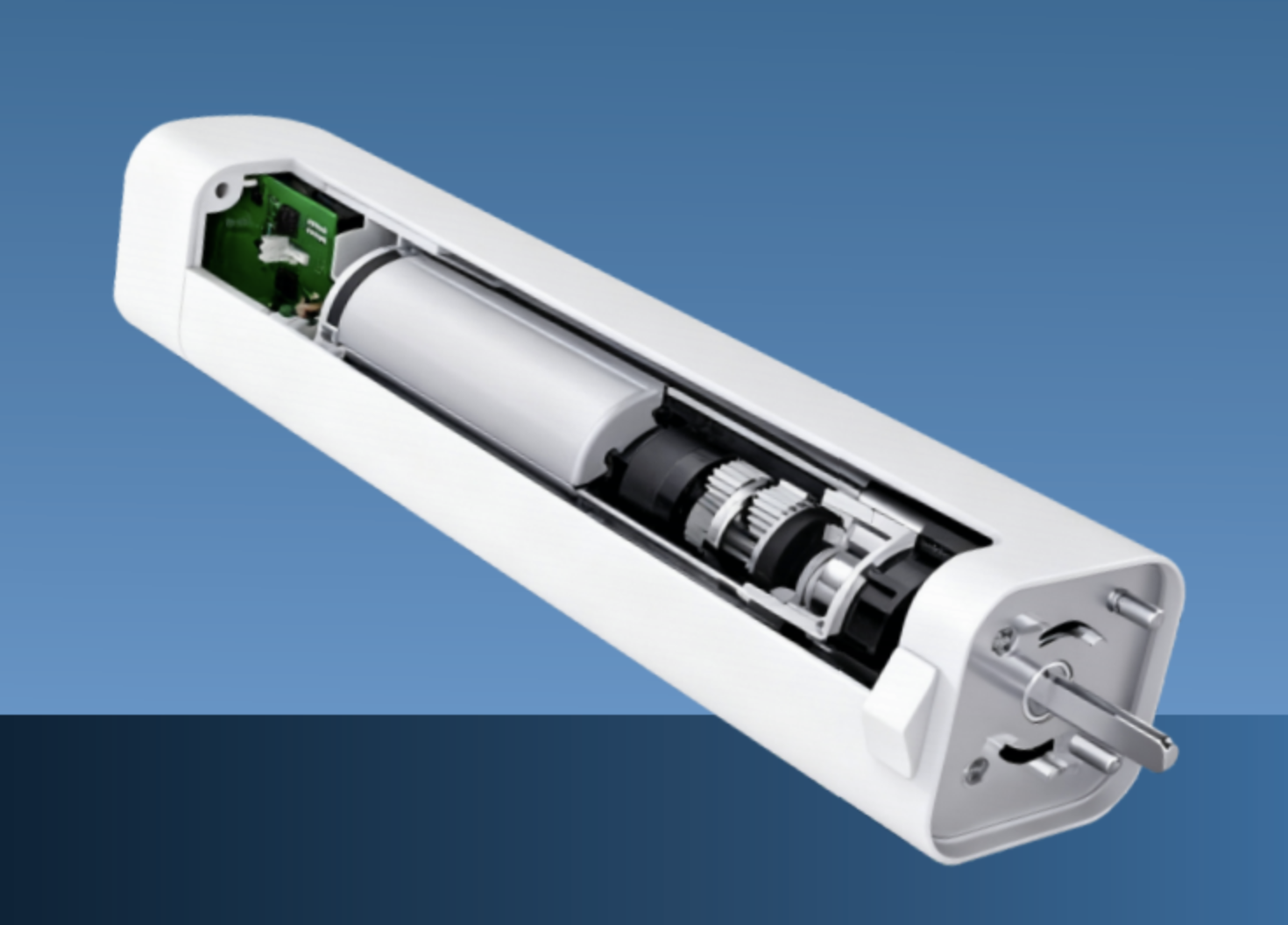
- Brushless / silent motors: around 25–30 dB, ideal for bedrooms and early-morning automation
Noise is also affected by:
- Smooth runners or ball-bearing gliders
- Silicone rollers
- Soft-start / soft-stop motor functions
These reduce friction and make opening/closing feel more stable and premium.
3. Power Options & Battery Endurance
If you’re choosing a motor that isn’t connected to household power, battery life becomes key.
- Battery motors usually last 3–6 months with twice-daily use
- Some models support solar charging, which can significantly extend usage
- Look for low standby consumption and detachable batteries for easier replacement
Battery-powered motors work best for windows without power outlets or renters who want a non-wired installation.
4. Compatibility & Installation Considerations
Choosing the right motor also requires understanding your track system.
Make sure to check:
- Motor–track compatibility (U-track, C-track, belt systems, etc.)
- Space for motor housing (usually 5–10 cm needed)
- Smart home support if you plan to connect to timers, voice control, or automation scenes
If you’re upgrading your track at the same time, consider a track system that is compatible with most major motor brands. For reference, you can explore different track structures here:
<a href=”https://rcwindoware.com/product-category/curtain-tracks-rail/” target=”_blank”>curtain track options for smart curtain motors</a>.
Conclusion
To choose the right smart curtain motor:
- Match the motor power with the weight of your curtain
- Choose brushless motors for quiet operation
- Ensure the track material and structure are strong enough
- For wireless setups, evaluate battery life or solar options
- Confirm compatibility between the motor and track profile
If you’re planning to upgrade your track or compare different rail systems, you can check more here:
curtain tracks.

 English
  Arabic
  Russian
  French
  Esperanto